
Triumph in online slots involves more than just understanding the paylines. It relies on implementing psychological concepts, both in how the game is built and how we choose to play it. This article looks at the mental models that can transform a casual spin into something more intentional. By comprehending the cognitive mechanics behind games like piggy bank slot live games, players obtain the knowledge needed for the Australian online casino scene. No strategy can promise a win, but a disciplined approach results in more long-term and rewarding play, where decisions arise from understanding instead of just urge.
The Charm of the Piggy Bank: Nostalgia and Reward Anticipation
The coin bank symbol acts as a brilliant piece of psychology-based design. It invokes a universal childhood nostalgia. For many Australians, it brings back reminiscences of putting coins aside, the heft of a full bank, and the thrill of a future reward. Developers leverage this deep emotional link to generate an instant feeling of familiarity and comfort. This is intentional. It prepares the player for a journey focused on building up and a eventual payout, which reflects the slot’s own fundamental loop. The tangible recollection of smashing a clay bank finds its a digital counterpart in the game’s mechanics, where spins steadily progress toward bonus rounds or a jackpot. This smart use of symbolic imagery makes the game feel less like a gamble and more like a playful, goal-oriented activity. This sensation maintains players immersed and spending more time on the reels.
Anticipation of a reward actually drives behavior more powerfully than the reward itself, because of the brain’s dopamine reward system. The coin bank, as a constant on-screen symbol or the theme of a bonus round, continues to reinforce this state of expectation. Every spin that deposits to a “savings” meter or brings a bonus symbol closer to activation sustains the cycle. We see this in many popular Australian slots, where progressive features or collection mechanics maintain the player invested in a story of working toward a major prize. This psychological lure is powerful because it transforms the uncertain outcome of each spin into a perceived step in a longer journey. Grasping this enables us to identify the emotional appeal of the theme, enabling us to distinguish that nostalgic enjoyment from the mathematical truth of the game’s random number generator.
Grasping Randomness and the Perception of Control
A central psychological challenge in slot play is acknowledging true randomness. Our brains naturally seek patterns and want to feel in control. Games like Piggy Bank Slot function on complex algorithms called Random Number Generators (RNGs). Every spin’s outcome is independent and unpredictable. Yet players often develop superstitions or rituals—clicking the spin button a certain way, playing at a specific hour, or believing a machine is “due” for a win. These are signs of the “illusion of control,” a cognitive bias where we overestimate our influence over events driven purely by chance. In Australia’s culture of “having a go,” it becomes especially important to tell the difference between a proactive strategy and a psychological trap.
This illusion gets amplified by game features that include player interaction. “Hold” functions in some bonus games or clicking to collect coins feel immersive and skill-based. However, their outcomes are still determined by the RNG the moment the bonus round starts. The psychological satisfaction of making a choice is real, but its impact on the financial result is not. Embracing the absolute rule of the RNG in core gameplay leads to a healthier mindset. We move away from superstitious beliefs and toward a strategic focus on handling what we can actually control: our bankroll, our time, and our choice of games based on their published volatility and return-to-player (RTP) percentages.
Key Psychological Biases to Recognise
Several specific biases affect slot gameplay. The “gambler’s fallacy” makes someone think a string of losses increases the chance of a win soon, which is statistically wrong. The opposite, the “hot-hand fallacy,” is the notion a winning streak will continue. Both disregard the independence of each spin. “Loss chasing” is the dangerous drive to keep playing to recover losses, often leading to bigger risks. “Near-miss effects” are uniquely powerful. When symbols land just off a winning line, the game designs it to feel like encouragement. It triggers similar brain activity to an actual win, even though it’s a loss. Identifying these biases as they happen is the first step in lessening their pull on your decisions.
The role of sound effects and visual cues in player engagement
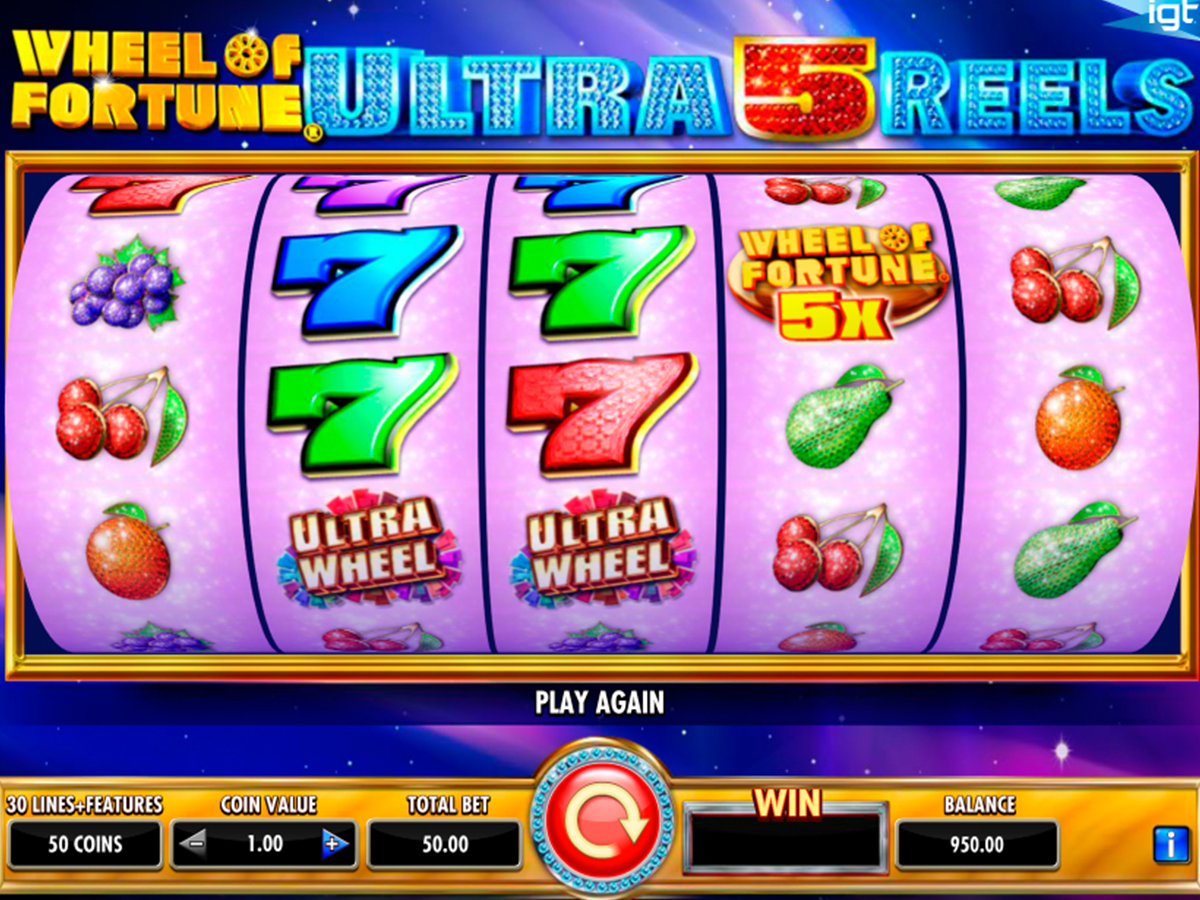
The sights and sounds of a slot like Piggy Bank Slot form a meticulously designed psychological environment. All chimes, jingle, and visual cascade is intended to enhance involvement. Successful spins get accompanied with bright lights and triumphant melodies, including for small wins. This rewarding feedback directly stimulates the brain’s reward pathways. The noise of coins clinking, a key element in piggy bank themes, is not merely decorative. This is a powerful sonic signal of reward that generates a sense of pleasure. In a saturated market like Australia’s, these sensory cues are honed to build an engaging experience that players wish to revisit.
Defeats, on the other hand, often feature impartial or mildly positive sounds instead of negative ones. A non-winning spin might be accompanied by a mild spinning sound or a upbeat jingle, avoiding any impression of harsh penalty. This careful design approach diminishes the emotional sting of losses, keeping frustration low and maintaining the flow of play. The application of “celebratory” sounds for near-miss losses is a widely researched method. Recognizing this sensory manipulation lets you appreciate the game’s production values without being unconsciously steered by them. Certain players find that turning the sound down or off helps preserve a more analytical and less emotionally charged view of the game’s outcomes.
Volatility and RTP: Matching Gaming Psychology for Player Preference
Picking a game that matches your risk tolerance is a key frequently ignored approach. Here lies understanding two key mathematical ideas, Return to Player (RTP) and risk level, becomes a psychological tool. RTP is the calculated percentage of wagered money a slot pays back over numerous rounds. A greater RTP, like 96% or more, suggests a lower long-term casino advantage. Volatility describes the risk profile. High volatility slots, which include many jackpot or bonus-rich games, award less often but provide the potential for larger wins. Low variance slots deliver more modest, more frequent wins to keep your bankroll ticking over.
Your mental disposition ought to direct your selection. Should long dry spells without a win frustrate you, a high-volatility version of Piggy Bank Slot could lead to the gambler’s fallacy and rapid depletion of balance. In that case, a lower-risk game would provide the steady, minor rewards that make the session entertaining. For those who you play for the thrill of a big
Implementing a Strategic Mindset: From Reactive Spinning to Active Engagement
A calculated mindset means transitioning from inactive participation to proactive decision-making, also in a game of chance. It commences before the first spin with preparation. Look up the game’s published RTP and its typical volatility. Establish your bankroll and session limits according to this information and your personal budget. During play, the strategy moves to awareness and emotional regulation. Track your own state. Are you starting to feel frustrated, overly excited, or tired? These are all indicators to pause or stop. Consider bonus features and free spins as enjoyable surprises, not assured entitlements. This assists manage anticipation.
This proactive engagement also includes redefining why you play. Shift the primary goal from “winning money” to “maximizing entertainment value within a predefined cost.” Every spin becomes part of that acquired entertainment. A win prolongs the fun, while a loss is simply the cost spent. This reframing is liberating and minimizes gambling-related stress. It allows you value the narrative of Piggy Bank Slot, the quality of its graphics, and the cleverness of its bonus rounds for their own sake. Any financial return becomes a bonus. This mindset is the definitive psychological strategy. It places you firmly in control of your experience, keeping you resilient to the game’s crafted psychological hooks while still letting you enjoy them on your own terms.
- Pre-Session Research: Study the game’s RTP, volatility, and feature rules. Know what you’re playing.
- Pre-Commitment: Define strict financial and time limits for your session. Note them if necessary.
- Active Monitoring: Frequently check in with your emotional state and bankroll status during play. Employ a timer.
- Reframing: Consciously view your wager as an entertainment purchase, not an investment.
- Post-Session Review: Shortly reflect on what you enjoyed and what you’d adjust for next time, strengthening the learning.
Knowing When to Stop: The Ultimate Emotional Skill
The most sophisticated psychological strategy is learning how to walk away. This skill encompasses stopping after a big loss and, just as crucially, after a big win. The emotional drives at these two points are opposites but equally risky. After a loss, the drive to chase and recover can overrule logic. After a win, the euphoria and belief in a “hot streak” can lead to risking those hard-won profits. Having predefined stop-loss and stop-win limits, as part of your bankroll management, streamlines this decision. When the limit is hit, the session ends. No negotiation. This external rule avoids the compromised decision-making of an emotionally charged moment.

For Australian players, this also means employing the responsible gambling tools provided by licensed casinos. Deposit limits, cool-off periods, and self-exclusion options are on offer. Using these tools is a proactive psychological method, not a sign of weakness. It recognizes that willpower has limits and that pre-commitment through technology provides a safety net. Also, understanding that fatigue, stress, or alcohol impairs judgement is essential. Playing Piggy Bank Slot should be a deliberate leisure activity, not a diversion or an emotional coping mechanism. By honoring our pre-set limits and being honest about our mental state, we protect the enjoyment of the game itself. We ensure it remains a sustainable part of a balanced entertainment life, which corresponds with the culture of responsible play promoted by reputable operators in Australia.
اترك تعليقاً