Categories: بنيان

  • تاريخ المصاعد: كيف غيرت المصاعد العالم؟

    History of Elevators: How Elevators Changed the World

    History of Elevators: How Elevators Changed the World

    Introduction

    تُعتبر المصاعد من أهم الابتكارات الهندسية التي غيّرت وجه العمارة والنقل في العالم. من خلال تسهيل الوصول إلى الطوابق العليا، ساهمت المصاعد في تشكيل المدن الحديثة وتغيير نمط حياة الناس. في هذا المقال، نستعرض تاريخ المصاعد وكيف أثرت على العالم

    1. Ancient Times

    تعود جذور المصاعد إلى العصور القديمة، حيث كانت تستخدم أنظمة بسيطة مثل البكرات والسلاسل لنقل الناس والبضائع. في روما القديمة، كانت هناك مصاعد بدائية تُستخدم في المباني العالية لنقل الأشخاص

    2. The Industrial Revolution

    شهدت المصاعد تطورًا كبيرًا خلال الثورة الصناعية في القرن التاسع عشر. في عام 1852، قام إليشا أوتيس بتطوير أول نظام فرامل طوارئ للمصاعد، مما جعل استخدامها أكثر أمانًا. في عام 1857، أطلق أوتيس أول مصعد كهربائي في نيويورك، مما ساعد على تعزيز استخدام المصاعد في المباني التجارية والسكنية

    3. The Modern Era

    مع بداية القرن العشرين، أصبحت المصاعد الكهربائية شائعة في المباني الشاهقة. ساهمت المصاعد في إنشاء ناطحات السحاب، حيث لم يعد من الممكن الوصول إلى الطوابق العليا بدونها. في عام 1931، تم افتتاح مبنى إمباير ستيت في نيويورك، الذي كان رمزًا لثورة المصاعد

    4. Technological Innovations

    على مر السنين، شهدت المصاعد العديد من الابتكارات التكنولوجية. تم تطوير أنظمة تحكم ذكية، ومحركات موفرة للطاقة، وأنظمة أمان متقدمة. أصبحت المصاعد الآن أكثر كفاءة وأمانًا، مما زاد من استخدامها في المباني التجارية والسكنية

    5. Impact on Cities

    غيّرت المصاعد من شكل المدن الحديثة. بفضل المصاعد، أصبحت ناطحات السحاب جزءًا لا يتجزأ من الأفق الحضري. ساهمت في زيادة عدد الطوابق في المباني، مما أدى إلى استخدام أفضل للمساحات الحضرية وزيادة الكثافة السكانية

    6. Social Impact

    ساعدت المصاعد في تحقيق تكافؤ الفرص من خلال تسهيل الوصول إلى الخدمات والمرافق. أصبحت المباني متعددة الطوابق أكثر سهولة للأشخاص ذوي الاحتياجات الخاصة وكبار السن، مما عزز الشمولية في المجتمع

    Conclusion

    تاريخ المصاعد هو تاريخ من الابتكار والتغيير. من أنظمة البكرات البدائية إلى المصاعد الكهربائية الحديثة، ساهمت المصاعد في تشكيل المدن وتحسين جودة الحياة. لا تزال المصاعد تلعب دورًا حيويًا في كيفية تنقلنا وتفاعلنا مع البيئة المبنية، مما يجعلها جزءًا أساسيًا من حياتنا اليومية
  • تجديد فيلا روستيكا

    تجديد فيلا روستيكا

    نظرة عامة

    وصف كامل

    تحتاج المشاريع العملاقة إلى رعاية في العملية التنموية للحد من المخاطر التي قد تعترض تنفيذ المشروع والذي قد يؤدي إلى تغيير الاستراتيجيات. تشمل الأمثلة على المشاريع الكبرى الجسور والأنفاق والطرق السريعة والسكك الحديدية والمطارات والموانئ ومحطات توليد الكهرباء والسدود ومشاريع الصرف الصحي والمناطق الاقتصادية الخاصة ومشاريع استخراج النفط والغاز الطبيعي والمباني العامة وأنظمة تقنية المعلومات ومشاريع الفضاء ونظم الأسلحة. تتضمن هذه القائمة مجموعة واسعة من الأمثلة على مشاريع كبرى تاريخية ومعاصرة والتي تُلبّي معايير المشاريع العملاقة والمحدّدة أعلاه.
    عميلشركة رائعة
    موقعجادة الشيخ محمد بن راشد – دبي
    عام المنجزةالجمعة، ٢٩ شوال، ١٤٤١
    مساحة السطح٤٥٠,٠٠٠ m٢
    قيمة٢٥٠.٠٠٠ درهم
    إدارةاحلام خالد
  • تجديد الأرض روستيكا

    تجديد الأرض روستيكا

    نظرة عامة

    وصف كامل

    _

    تحتاج المشاريع العملاقة إلى رعاية في العملية التنموية للحد من المخاطر التي قد تعترض تنفيذ المشروع والذي قد يؤدي إلى تغيير الاستراتيجيات. تشمل الأمثلة على المشاريع الكبرى الجسور والأنفاق والطرق السريعة والسكك الحديدية والمطارات والموانئ ومحطات توليد الكهرباء والسدود ومشاريع الصرف الصحي والمناطق الاقتصادية الخاصة ومشاريع استخراج النفط والغاز الطبيعي والمباني العامة وأنظمة تقنية المعلومات ومشاريع الفضاء ونظم الأسلحة.
    تتضمن هذه القائمة مجموعة واسعة من الأمثلة على مشاريع كبرى تاريخية ومعاصرة والتي تُلبّي معايير المشاريع العملاقة والمحدّدة أعلاه.

    عميلشركة رائعة
    موقعجادة الشيخ محمد بن راشد – دبي
    عام المنجزةالجمعة، ٢٩ شوال، ١٤٤١
    مساحة السطح٤٥٠,٠٠٠ m٢
    قيمة٢٥٠.٠٠٠ درهم
    إدارةاحلام خالد
  • تاريخ المصاعد: كيف غيرت المصاعد العالم؟

    History of Elevators: How Elevators Changed the World

    History of Elevators: How Elevators Changed the World

    Introduction

    Elevators are among the most important engineering innovations that have transformed architecture and transportation worldwide. By facilitating access to upper floors, elevators helped shape modern cities and change people’s lifestyles. In this article, we explore the history of elevators and their impact on the world.

    1. Ancient Times

    The origins of elevators date back to ancient times, where simple systems such as pulleys and chains were used to transport people and goods. In ancient Rome, primitive elevators were used in tall buildings to move people.

    2. The Industrial Revolution

    Elevators saw significant development during the Industrial Revolution in the 19th century. In 1852, Elisha Otis developed the first elevator safety brake, making their use much safer. In 1857, Otis launched the first electric elevator in New York, which helped promote the use of elevators in commercial and residential buildings.

    3. The Modern Era

    At the beginning of the 20th century, electric elevators became common in tall buildings. Elevators played a key role in the construction of skyscrapers, as reaching upper floors without them became impractical. In 1931, the Empire State Building in New York was inaugurated, symbolizing the elevator revolution.

    4. Technological Innovations

    Over the years, elevators have witnessed numerous technological innovations. Smart control systems, energy-efficient motors, and advanced safety systems have been developed. Elevators are now more efficient and safer, increasing their use in both commercial and residential buildings.

    5. Impact on Cities

    Elevators have transformed the shape of modern cities. Thanks to elevators, skyscrapers have become an integral part of the urban skyline. They have enabled taller buildings, leading to better use of urban space and higher population density.

    6. Social Impact

    Elevators have helped promote equal opportunities by facilitating access to services and facilities. Multi-story buildings have become more accessible for people with special needs and the elderly, enhancing inclusivity in society.

    Conclusion

    The history of elevators is a story of innovation and transformation. From primitive pulley systems to modern electric elevators, they have helped shape cities and improve quality of life. Elevators continue to play a vital role in how we move and interact with the built environment, making them an essential part of our daily lives.

  • دليلك لاختيار المصعد المثالي لمشروعك العقاري

    Your Guide to Choosing the Perfect Elevator for Your Real Estate Project

    Your Guide to Choosing the Perfect Elevator for Your Real Estate Project

    Choosing the right elevator for any real estate project is not just a technical decision; it directly affects the comfort of residents and visitors. It is also a key factor in how users evaluate the quality of the building. Today, the elevator has become an important part of the user experience, not just a means of moving from one floor to another.


    1- Defining the nature of the project before making a choice

    The first step is to understand Project Type:
    Is it residential? An office tower? A shopping mall? A hotel or a hospital?
    Each type has different requirements in terms of:

    Continuous operating capability

    Travel speed

    Cabin size and passenger capacity

    The number of elevators required in the building


    2- Appropriate Capacity and Load

    Incorrect capacity is one of the main causes of breakdowns and service interruptions.
    Loads typically range between:

    320 kg For small buildings

    up to more than 2000 kg for hospitals, factories, and malls
    Choosing a lower-than-expected load capacity leads to:

    High operating stress

    Fast wear-out of the elevator’s lifespan

    A feeling of insecurity among users


    3- Safety Systems and Standard Regulations

    Safety is the most important criterion in the selection process, and among the essential safety systems are:

    Emergency Braking System (Parachute System)

    Door Obstruction Sensors

    Emergency Alarm and Intercom System

    A backup power source in case of a power outage

    Compliant with European specifications and international standards


    4- Technology and Smart Control

    Modern elevators rely on smart control systems that provide:

    Improves energy consumption.

    Regulates elevator movement and reduces waiting time.

    Quick response to floor calls.

    Quieter and smoother operation without vibration.

    Integration capability with Building Management Systems (BMS).


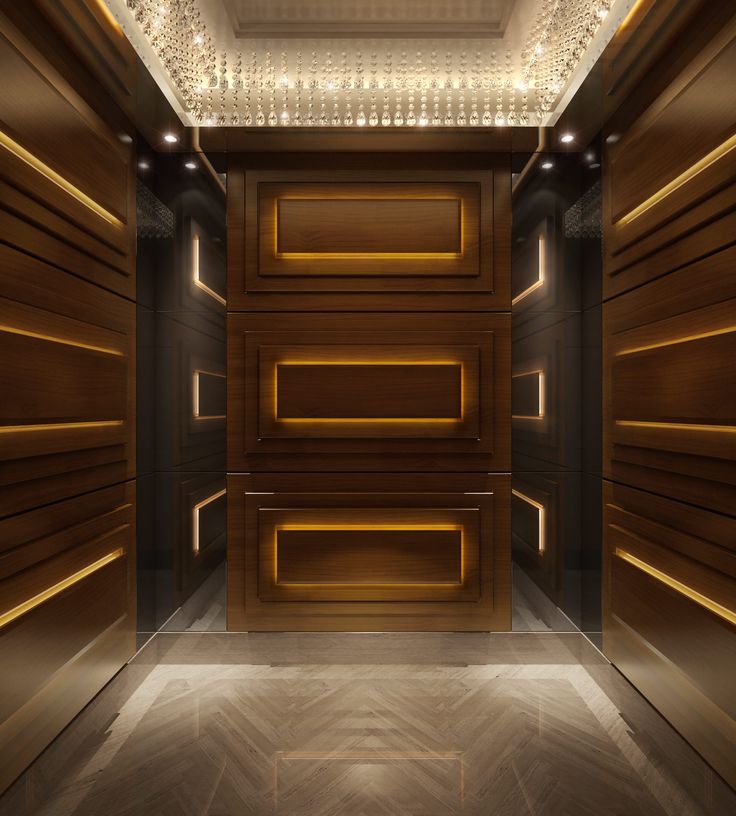
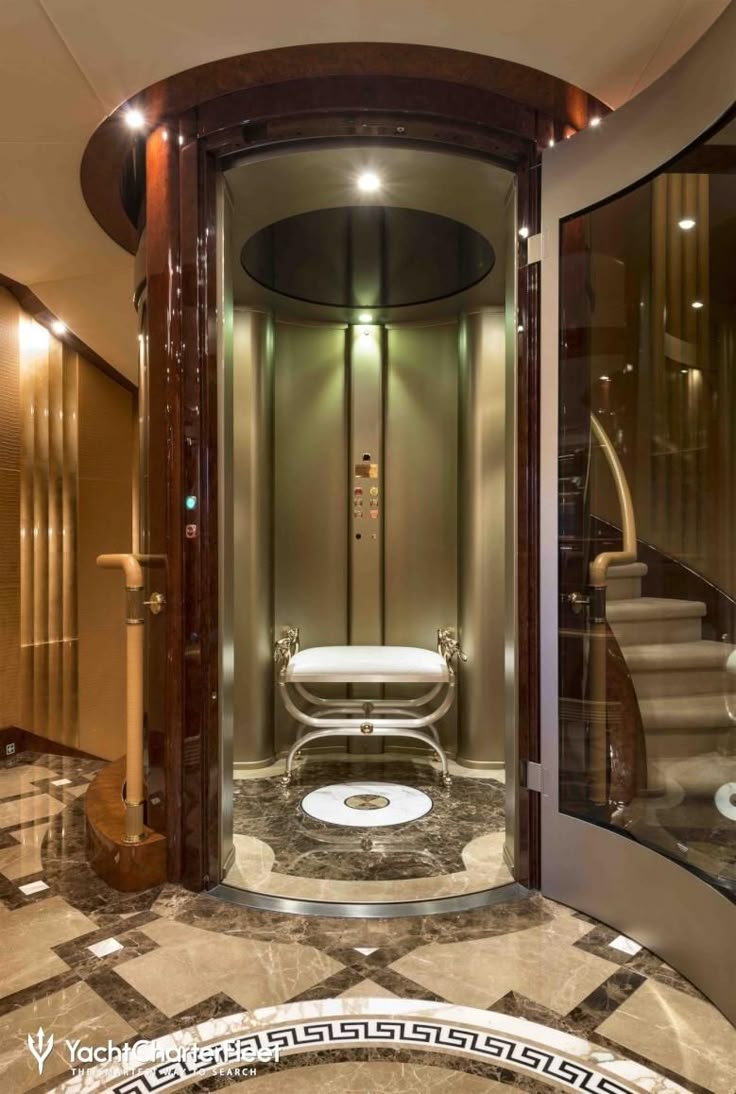
    5- Elevator Interior Design

    Interior design is an aesthetic element that reflects the identity of the project.

    Cabins made of premium stainless steel or panoramic glass

    Modern LED lighting

    Slip-resistant flooring

    User-friendly electronic control panels
    Choosing the right design enhances the overall impression of the building.


    6- Maintenance and After-Sales Services

    Even the best elevators need regular care.
    Therefore, make sure to choose a company that provides:

    Regular scheduled maintenance service

    A technical team available 24/7 for emergencies.

    Original spare parts

    Clear and reliable maintenance contracts

  • أنظمة الأمان والتحكم الذكية

    Smart Safety and Control Systems

    Smart elevator safety and control systems

    The elevator industry has advanced significantly in recent years. It’s no longer just about moving up and down — the focus has shifted to smart safety and control systems that provide users with a safer, more comfortable, and more efficient experience. With the widespread growth of residential and commercial buildings, choosing an elevator with an advanced safety system has become a necessity rather than a luxury.

     First: Basic Safety Systems

    Emergency Brake System
    It operates automatically in case of any speed malfunction or sudden power outage.

    Door Sensors
    Prevents the door from closing if a person or object is in the way, ensuring passenger safety — especially for children and the elderly.

    Safety Gear (Anti-Fall Device)
    It activates in case of cable failure or abnormal acceleration, instantly securing the cabin.

    Internal Alarm System
    Allows passengers to request assistance immediately in emergency situations.


     Second: Smart Control Systems

    Digital Control Panels (Smart Controllers)
    They analyze elevator movement, optimize energy consumption, and efficiently prioritize requested floors.

    Quiet Operation and Gearless Motors
    Provides a smooth and quiet experience, extends the elevator’s lifespan, and reduces vibrations.

    Remote Monitoring
    Allows the company to monitor the elevator’s status in real time and detect faults before they occur.

    Intelligent Call Grouping (Destination Control)
    Transports passengers to their floors faster by assigning them to the most suitable elevators.


     Third: Emergency Systems

    Automatic Operation During Power Outages
    Ensures the elevator returns to the nearest floor and opens the doors safely.

    Automated Communication System
    Connects directly to technical support from inside the cabin.

    Emergency Lighting
    Provides clear visibility for passengers inside the elevator during power outages.

٩٢٠٠١٥١٢٣