Archives: Portfolio

  • التجديد الداخلي

    Interior Modernization

    An article about elevators

    Introduction

    Elevators are considered one of the most important engineering innovations that have helped facilitate the movement of people and goods in high-rise buildings. Since their invention, elevators have undergone significant changes in both design and technology, contributing to improved safety and efficiency.

    Types of Elevators

    There are several types of elevators, including:

    Electric ElevatorsThey use electric motors to move the cabin and are the most common type in high-rise buildings.

    Hydraulic ElevatorsThey operate using oil pressure and are commonly used in low-rise buildings.

    Suspended ElevatorsThe cabin is suspended by cables and is used in buildings that require a special design.

    Benefits of Elevators

    Saving TimeElevators help reduce the time spent moving between floors.

    Accessibility: Facilitates access for people with special needs.

    Enhancing EfficiencyIt helps improve work efficiency in commercial buildings.

    Modern Elevator Technology

    Elevator technology is constantly evolving, with the introduction of smart control systems that allow for more efficient movement and energy saving. New designs have also been developed to make elevators safer and more comfortable.

    Conclusion

    Elevators are an essential part of modern building infrastructure, contributing to improved quality of life and easier mobility. With technological advancement, elevators are expected to continue evolving to meet the growing needs of society.
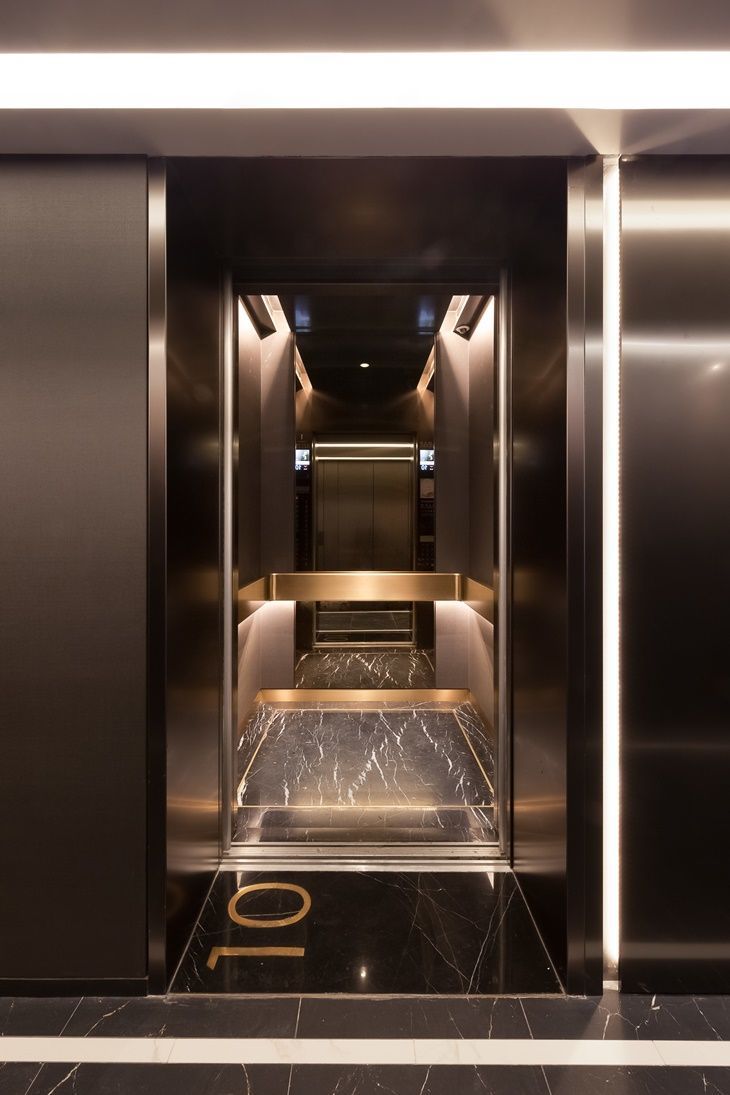
  • دور الصيانة الدورية في إطالة عمر المصعد

    The role of regular maintenance in extending the elevator’s lifespan

    The role of regular maintenance in extending the elevator’s lifespan

    Introduction

    Elevators are a vital part of building infrastructure, facilitating the movement of people and goods. To ensure efficient and safe elevator operation, regular maintenance plays a crucial role in extending its lifespan. This article will discuss the importance of regular maintenance, its types, and its impact on elevator performance.

    The importance of regular maintenance

    Improving SafetyRegular maintenance helps detect any problems or malfunctions that could lead to accidents. By inspecting the various systems, potential risks can be avoided.

    Enhancing EfficiencyMaintenance helps keep the elevator operating with high efficiency. Elevators that undergo regular maintenance run smoothly, which reduces waiting times.

    Cost ReductionAlthough maintenance requires a financial investment, it helps prevent major breakdowns that could incur high repair costs. Regular maintenance can also reduce downtime.

    Types of Regular Maintenance

    This includes routine inspections and checks of all elevator components, such as the motor, cabin, and control system. The purpose of this maintenance is to detect any issues before they escalate.

    Corrective maintenanceThis involves repairing unexpected malfunctions. It is typically carried out after a problem affecting elevator performance.

    Predictive MaintenanceIt relies on analyzing data related to the elevator’s performance to predict future maintenance needs. This approach helps improve operational efficiency.

    The Impact of Maintenance on Elevator Lifespan

    Regular maintenance significantly extends the lifespan of an elevator. By addressing minor issues early, major breakdowns that could require a complete replacement can be avoided. Additionally, maintenance enhances the user experience, increasing customer satisfaction.

    Conclusion

    Regular elevator maintenance is a fundamental element for ensuring safety and efficiency. By investing in maintenance, organizations and owners can extend the elevator’s lifespan and reduce costs associated with emergency repairs. Paying attention to regular maintenance is an investment in safety and comfort.

  • السلامة أولاً: استكشاف ميزات السلامة في المصاعد

    Safety First: Exploring Elevator Safety Features

    Safety First: Exploring Elevator Safety Features

    Introduction

    Safety is one of the top priorities in elevator design and operation. This article aims to explore the various safety features that ensure passenger protection and prevent accidents, making elevators a reliable and secure mode of transportation.

    Basic Elevator Safety Features

    Emergency Brakes

    Emergency brakes are among the most important safety features in elevators. They stop the elevator quickly and safely in case of cable failure or any malfunction. The system is activated automatically when needed, ensuring passenger protection.

    Overspeed Governor

    The overspeed governor monitors the elevator’s speed during operation. If the speed exceeds the allowed limit, the emergency brakes are automatically activated. This system ensures the elevator does not exceed a safe speed, reducing the risk of accidents

    Door Sensors

    Door sensors prevent the doors from closing if there is any obstruction in their path. These devices protect passengers from injury while entering or exiting the elevator, enhancing operational safety

    Emergency Communication System

    The emergency communication system allows passengers to contact the rescue team in case of a power outage or any other emergency. This system ensures that passengers receive assistance as quickly as possible, reducing panic.

    Overload Protection Features

    Overload protection features prevent the elevator from operating if the weight inside exceeds the allowed limit. These features ensure the elevator is not subjected to excessive stress and prevent malfunctions, enhancing usage safety.

    Advanced Safety Technology

    In addition to the basic features, modern elevators include advanced technology to enhance safety, such as:

    Performance Monitoring Systems: These systems provide real-time monitoring of elevator performance, enabling the detection of any issues before they lead to accidents.

    Periodic InspectionsElevators undergo periodic tests of their various systems to ensure proper operation, which enhances users’ confidence in the elevator’s safety.

    Conclusion

    Elevator safety features are essential to ensure passenger protection and prevent accidents. By providing emergency brakes, overspeed governors, door sensors, emergency communication systems, and overload protection features, elevators can offer a safe and reliable environment for passengers. Focusing on elevator safety helps build trust and ensures a secure and comfortable transportation experience.

  • أحدث التقنيات في تصميم المصاعد

    The latest technologies in elevator design.


    Introduction

    Elevators are an essential part of modern building infrastructure. With continuous technological advancement, elevator technologies have seen significant developments. These technologies aim to improve performance, increase energy efficiency, and enhance the user experience. This article reviews the latest technologies used in elevator design.

    1. Intelligent Control Systems

    Intelligent control systems use artificial intelligence and machine learning to optimize elevator movement. These systems learn usage patterns and predict demand, allowing for more efficient elevator operation. They can also reduce waiting times by allocating elevators based on passenger numbers.

    2. Energy-Efficient Elevators

    Modern elevators are designed to significantly reduce energy consumption. These designs include:

    • Energy-Efficient MotorsThey use technologies such as permanent magnet motors, which reduce energy consumption during operation.
    • Energy recovery systems: Converts the energy generated from braking into electricity that can be used to power the elevator or supply other systems in the building.

    3. Machine-Room-Less Elevators (MRL)

    Machine-room-less (MRL) elevators are a modern innovation that provides more space in buildings. The motor and other equipment are installed inside the elevator shaft, eliminating the need for a separate machine room. This design offers greater flexibility and reduces construction costs.

    4. Destination Control Technology

    Destination control technology allows passengers to select their destination before entering the elevator. The system groups passengers going to the same floors into the same elevator, reducing waiting times and improving movement efficiency.

    5. Connected Elevators

    Modern elevators are connected to the internet, allowing remote performance monitoring and diagnostics of potential issues. Technicians can access and analyze performance data, helping to identify problems before they lead to major breakdowns.

    6. Advanced Safety Technologies

    The latest elevator designs include advanced safety features such as:

    • Advanced SensorsThey detect obstacles and ensure that the doors do not close on passengers.
    • Automatic Rescue SystemsThese allow the elevator to move to the nearest floor in case of an emergency.

    Conclusion

    Modern elevator design technologies contribute to improved performance, safety, and efficiency. By adopting these innovations, buildings can provide a better passenger experience and reduce energy consumption, reflecting a trend toward sustainability and smart building design. Investing in these technologies is a step toward a more efficient and safe future in the world of elevators.

  • أنظمة الأمان والتحكم الذكية

    Smart Safety and Control Systems

    Smart elevator safety and control systems

    The elevator industry has advanced significantly in recent years. It’s no longer just about moving up and down — the focus has shifted to smart safety and control systems that provide users with a safer, more comfortable, and more efficient experience. With the widespread growth of residential and commercial buildings, choosing an elevator with an advanced safety system has become a necessity rather than a luxury.

     First: Basic Safety Systems

    Emergency Brake System
    It operates automatically in case of any speed malfunction or sudden power outage.

    Door Sensors
    Prevents the door from closing if a person or object is in the way, ensuring passenger safety — especially for children and the elderly.

    Safety Gear (Anti-Fall Device)
    It activates in case of cable failure or abnormal acceleration, instantly securing the cabin.

    Internal Alarm System
    Allows passengers to request assistance immediately in emergency situations.


     Second: Smart Control Systems

    Digital Control Panels (Smart Controllers)
    They analyze elevator movement, optimize energy consumption, and efficiently prioritize requested floors.

    Quiet Operation and Gearless Motors
    Provides a smooth and quiet experience, extends the elevator’s lifespan, and reduces vibrations.

    Remote Monitoring
    Allows the company to monitor the elevator’s status in real time and detect faults before they occur.

    Intelligent Call Grouping (Destination Control)
    Transports passengers to their floors faster by assigning them to the most suitable elevators.


     Third: Emergency Systems

    Automatic Operation During Power Outages
    Ensures the elevator returns to the nearest floor and opens the doors safely.

    Automated Communication System
    Connects directly to technical support from inside the cabin.

    Emergency Lighting
    Provides clear visibility for passengers inside the elevator during power outages.

  • دليلك لاختيار المصعد المثالي لمشروعك العقاري

    Your Guide to Choosing the Perfect Elevator for Your Real Estate Project

    Your Guide to Choosing the Perfect Elevator for Your Real Estate Project

    Choosing the right elevator for any real estate project is not just a technical decision; it directly affects the comfort of residents and visitors. It is also a key factor in how users evaluate the quality of the building. Today, the elevator has become an important part of the user experience, not just a means of moving from one floor to another.


    1- Defining the nature of the project before making a choice

    The first step is to understand Project Type:
    Is it residential? An office tower? A shopping mall? A hotel or a hospital?
    Each type has different requirements in terms of:

    Continuous operating capability

    Travel speed

    Cabin size and passenger capacity

    The number of elevators required in the building


    2- Appropriate Capacity and Load

    Incorrect capacity is one of the main causes of breakdowns and service interruptions.
    Loads typically range between:

    320 kg For small buildings

    up to more than 2000 kg for hospitals, factories, and malls
    Choosing a lower-than-expected load capacity leads to:

    High operating stress

    Fast wear-out of the elevator’s lifespan

    A feeling of insecurity among users


    3- Safety Systems and Standard Regulations

    Safety is the most important criterion in the selection process, and among the essential safety systems are:

    Emergency Braking System (Parachute System)

    Door Obstruction Sensors

    Emergency Alarm and Intercom System

    A backup power source in case of a power outage

    Compliant with European specifications and international standards


    4- Technology and Smart Control

    Modern elevators rely on smart control systems that provide:

    Improves energy consumption.

    Regulates elevator movement and reduces waiting time.

    Quick response to floor calls.

    Quieter and smoother operation without vibration.

    Integration capability with Building Management Systems (BMS).


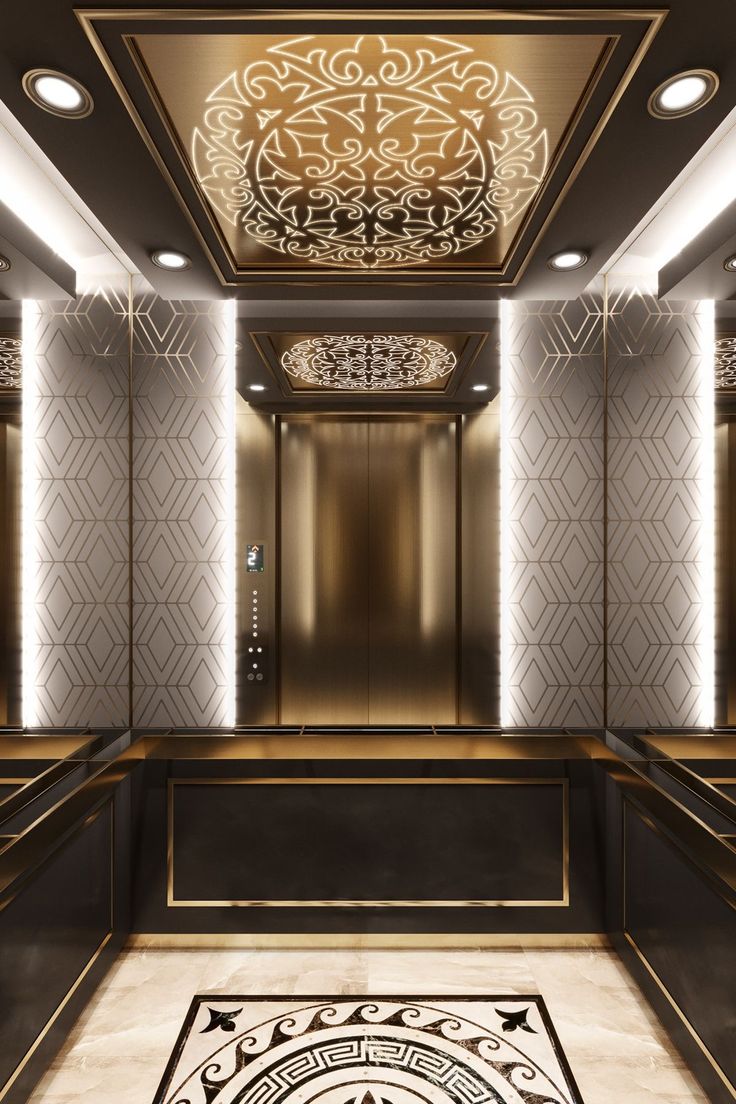
    5- Elevator Interior Design

    Interior design is an aesthetic element that reflects the identity of the project.

    Cabins made of premium stainless steel or panoramic glass

    Modern LED lighting

    Slip-resistant flooring

    User-friendly electronic control panels
    Choosing the right design enhances the overall impression of the building.


    6- Maintenance and After-Sales Services

    Even the best elevators need regular care.
    Therefore, make sure to choose a company that provides:

    Regular scheduled maintenance service

    A technical team available 24/7 for emergencies.

    Original spare parts

    Clear and reliable maintenance contracts

٩٢٠٠١٥١٢٣